
Clear help after a car wreck

An Oklahoma City car accident lawyer when the questions keep coming.

The car wreck may be over, but the decisions keep coming: medical care, missed work, repairs, insurance calls, and paperwork that may affect more than it appears. Use the practical guides below, or tell Jason Hicks what happened and what is pressing now.

Two damaged cars stopped beside a broad road at sunrise.
Illustrative imageA crash can last seconds. Sorting out what follows can take much longer.

One lawyer. A real Oklahoma City office.

Know who will read what you send.

Jason Hicks personally reads every 405 request and handles any follow-up himself. Learn about him, see the office address, and decide whether you would rather call or write.

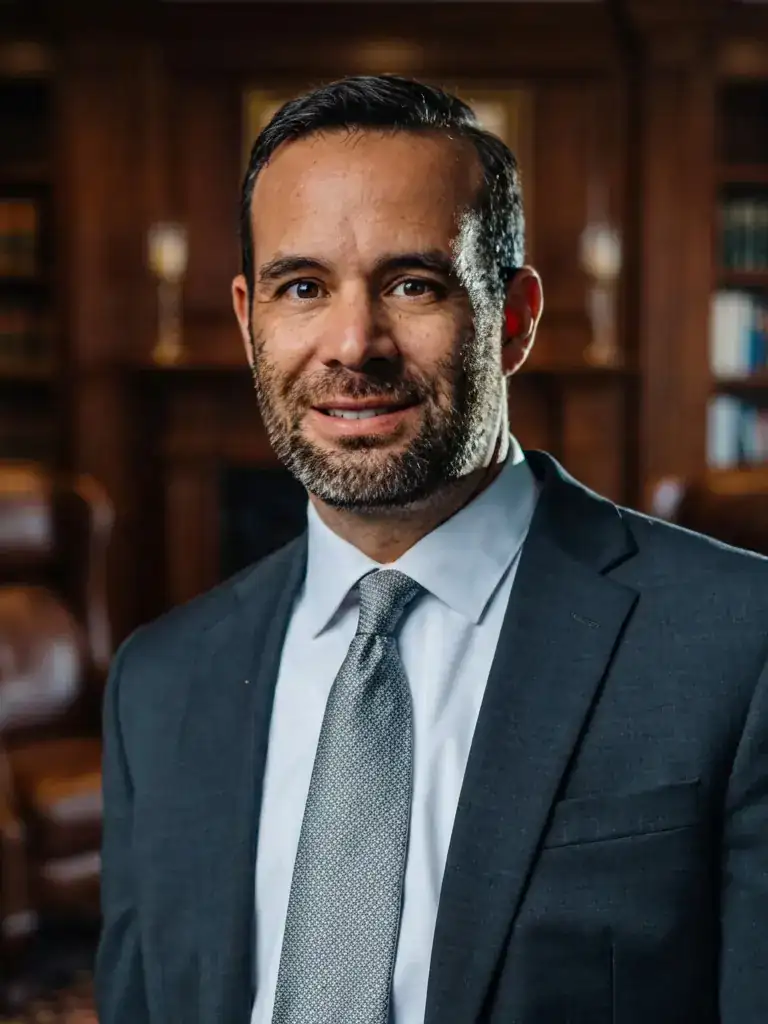
Jason Hicks, the Oklahoma attorney behind 405 Injury Law.
Your lawyer at 405Jason Hicks

Oklahoma attorney, practicing since 2008

Read more about Jason Hicks at Hicks Law Firm
Who reads your messageJason Hicks reviews every request

Jason Hicks personally reads every message sent through 405. If more information is needed, Jason Hicks follows up himself.

Oklahoma City office

1332 SW 89th Street
Oklahoma City, OK 73159

When a simple task stops being simple

Can a guide answer this—or is the problem getting bigger?

Some post-crash tasks really are straightforward. Others look small until an injury, coverage dispute, missing record, or legal document connects them to everything else. That is when asking a car accident attorney can make sense.

Consider asking Jason

One decision could affect several others

A lawyer’s attention may be more useful when injury continues, work is affected, responsibility or coverage is disputed, an insurer goes quiet, several parties are involved, or a document could close more than you realize.

  • Important facts are incomplete, disputed, or held by different people.
  • The decision in front of you may affect more than one claim, payment, or right.
  • A serious injury, death, commercial vehicle, government actor, or disappearing record deserves to be identified at the start.
Request a car-accident review

Start with a guide

You can name the task and finish it

A focused guide may be enough when you need to request a report, create a call log, sort bills, track the vehicle, or find one missing document.

  • You know the specific task and the record needed to complete it.
  • You are not being asked to decide disputed facts, coverage, injury questions, or the effect of a document.
  • You can state what is known, what is missing, and who may hold the next record.
See when a guide may be enough

Know what you are relying on

Clear answers should show their limits.

A useful page should tell you where its information came from, when it was checked, and which facts could change the answer. That is how you know when general information has reached its limit.

1

Know who is reading your request

Meet Jason Hicks and understand what he can—and cannot—decide from a first message.

About 405
3

See where the answer came from

Use current official instructions and notice when a page is explaining a general rule rather than your facts.

See how information is checked
Read how the guidance is checked

What Jason needs to understand first

Four questions turn a pile of documents into a story.

The first useful conversation is not about guessing a settlement number. It is about seeing what happened, what changed, what remains uncertain, and which decision cannot safely be separated from the rest.

A person organizing vehicle photographs, papers, keys, and a notebook at a table.
Illustrative imageKeep the event, health, work, vehicle, insurance, and communication records distinct. Preserve the links between them.
  1. What happened, and which record supports it?

    Separate personal observations from reports, photographs, witness information, messages, and statements made by someone else.

  2. What changed after the car accident?

    Track health-care events, work changes, transportation problems, bills, expenses, and daily effects by date and source.

  3. What is keeping you from moving forward?

    Identify insurer silence, disputed facts, unclear coverage, missing records, conflicting amounts, or a document whose effect you do not understand.

  4. What decision is in front of you now?

    Name the request, conversation, document, or deadline creating pressure instead of trying to explain every part of the accident at once.

Other injury matters

When the event was not a car accident

Rideshare, motorcycle, pedestrian, bicycle, unsafe-property, and dog-related injuries each leave a different trail. Start with what happened and what changed; the legal label can wait.

Before you decide what to do

Three starting answers

What should I do first after a car accident?

Address immediate safety and emergency needs first. Then write down what you personally remember, preserve the records already available, and choose one next task instead of blending the insurance, health, work, and vehicle questions together.

How do I know when a guide is no longer enough?

Use a guide when the task is narrow, such as requesting a report or organizing records. Consider asking Jason when injury continues, facts or coverage are disputed, insurer communication has stalled, several parties are involved, or a document may affect more than it appears.

What does sending a review request mean?

It asks for an initial review of a short summary. It does not confirm acceptance, create an attorney-client relationship, set a response time, or predict an outcome. Do not send sensitive records or account details through the initial form.

When the problem will not stay in one box

Tell Jason what happened and what is pressing now.

A short account of the crash, what changed afterward, and the question you cannot settle is enough to begin. Keep medical records, account numbers, and sensitive documents out of the first message.